6 DIFFERENT WAYS TO BIND A DOCUMENT
In this blog, we explore six ways of paper-binding a document and the different uses for each one.
We offer a wide range of paper-binding solutions, including report binding, presentation binders and perfect-bound printing. Our premium-quality paper ensures a professional finish for every application, with multiple binding styles, paper sizes and finishing options available for complete customisation.
We offer same-day and express printing services, so you can count on a quick turnaround without compromising on quality.
Thermal Binding
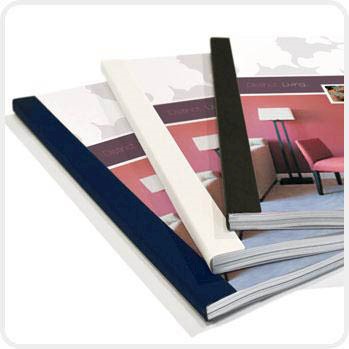
Thermal binding is a quick and easy way to bind a document, without the need for punching holes. Once the document has been printed, the pages are stacked on top of one another and a strip of glue is applied to the spine. A fabric strip is then applied onto the glue and the whole document is then inserted into a special machine that melts the glue and allows the pages to bind together.
This method is ideal for binding documents from A5 up to A3 size.
Perfect Binding
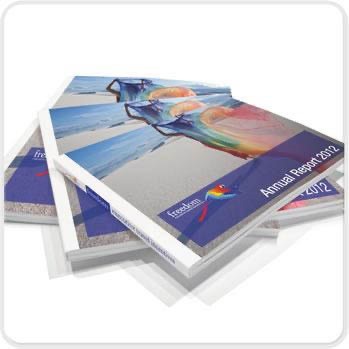
Perfect binding is an extremely popular method of binding reports and documents and is ideal for landscape, square or portrait documents, A5 up to A3 sizes. This method involves applying a strong adhesive to the spine to hold all the pages in place.
The cover is then applied over the top of the binding adhesive to keep the pages tightly in place without any movement and for additional durability. The backbones of perfect bound publications are generally rectangular shaped and common examples of this type of binding can be seen on paperback books, catalogues and magazines.
The covers can be printed in a heavier weight than the inners and then gloss or matt laminated for a high-end professional finish.
Post Binding
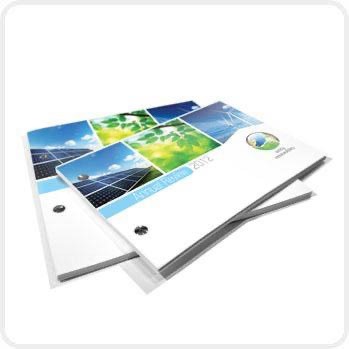
Post binding or rivet binding is a method for fixing a document together with chrome or brass rivets. This is a very cost-effective way of binding, and produces a high quality finish. Again the covers can be matt or gloss laminated to create a high-end look.
Saddle-stitched binding
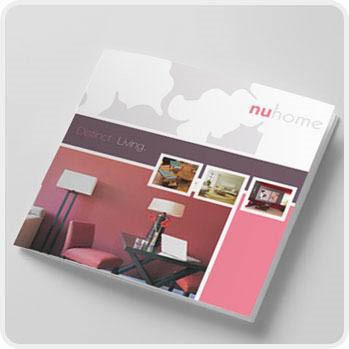
Saddle stitching is a very popular method of binding and is ideal for presenting all kinds of company information. The document is printed and then run through a specialist booklet-making machine where the pages are precisely stapled together.
Saddle stitching is ideal for finishing square or portrait documents, A6 up to A4 size.
Wire Binding
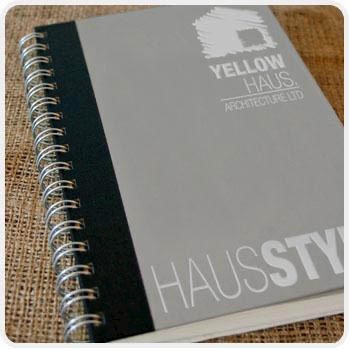
Wire binding is a great method for binding a document if you’re looking for a premium quality report printing, collation and binding solution. This type of binding works well for either simple documents or complex multi-source documents and is popular due to the fact that the pages can be laid flat when opened. Bespoke report covers can be created too, with premium quality gloss or matt laminated presentation board.
Wire binding, or ‘wire-o’ binding as it is sometimes known, uses a special method of inserting a double-looped wire spine. The document is firstly punched with specially measured holes and then a wire spine is fed through to hold it in place.
Hardback Binding
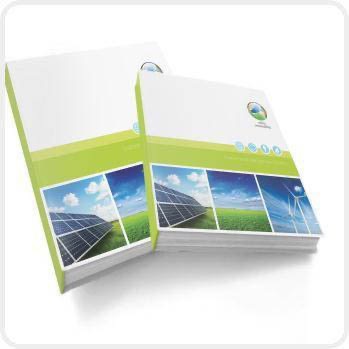
Hardback binding is an excellent way of securing a document, especially if you are looking for a striking, high-quality finish.
This method involves using specialist book-making equipment where adhesive is fused to the spine of the document pages and the cover to create an impressive hardback book. Again, the hardback book covers can be either gloss or matt laminated.
Looking for professional paper binding?
At Photoline, we offer all these binding options and more with same-day printing to meet all your deadlines, no matter how short.
For confidential advice, call us on 0191 232 5454 or email us at [email protected]